Colour is not the only difference between breads. Flour blends, water content, fermentation and baking method all affect the result. Two breads with the same name can therefore have very different textures.
Classic white bread
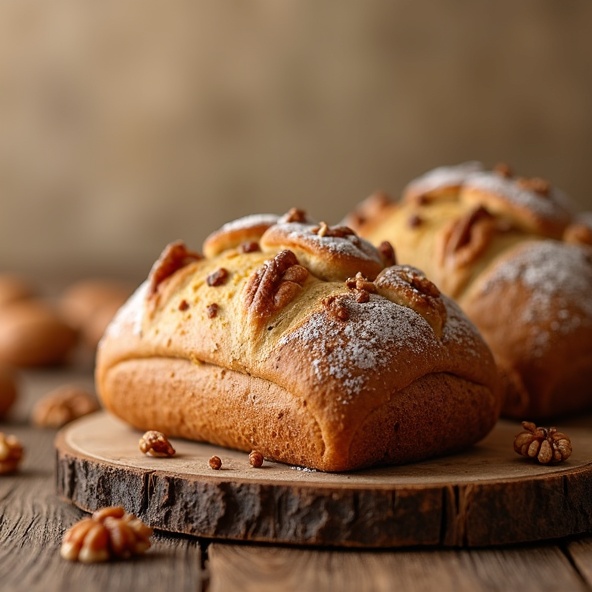
White-flour breads usually have a milder crumb flavour. They suit many uses, from breakfast to toast and sandwiches. Crust thickness and air pockets vary between recipes: consider the photograph together with the description.
Whole-wheat bread
Whole-wheat flour brings a more distinct grain flavour from the different parts of the wheat kernel. However, the name does not necessarily mean every flour in the recipe is whole wheat. Check the blend and any stated proportions in the ingredient list.
Rye bread
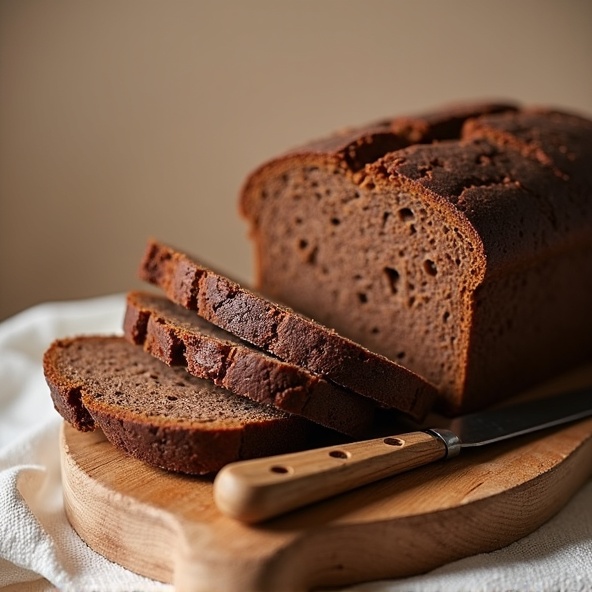
The flavour and texture of rye bread depend on its rye proportion. Some recipes also contain wheat flour. Try it with cheese and vegetables; thinner slices can balance its intense flavour.
Is multigrain the same as whole-grain?
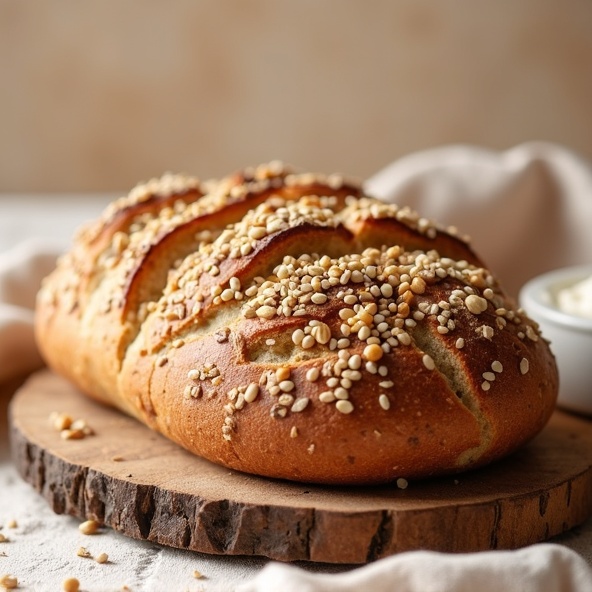
A recipe containing several grains is not automatically made entirely from whole grains. Visible sesame, oats or other seeds do not establish the flour quality either. Treat the name as a starting point and the ingredient list as the main source of information.
Choose for the meal
Try different breads for a soft sandwich, a crisp toasted slice or an aromatic cheese board. For specific dietary or allergy needs, do not rely on the category name: check the current product information and the manufacturer's description.