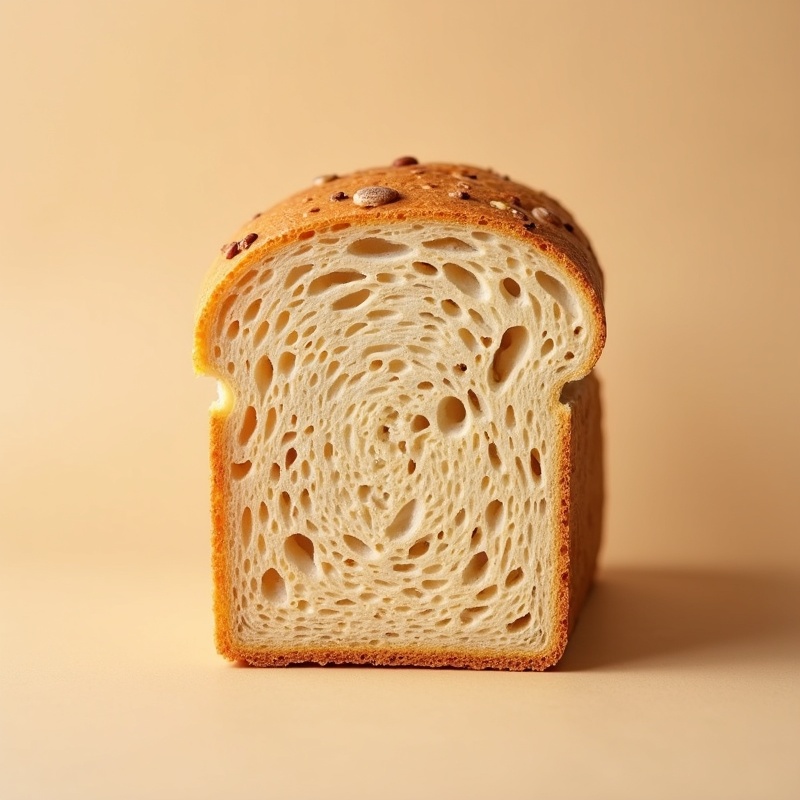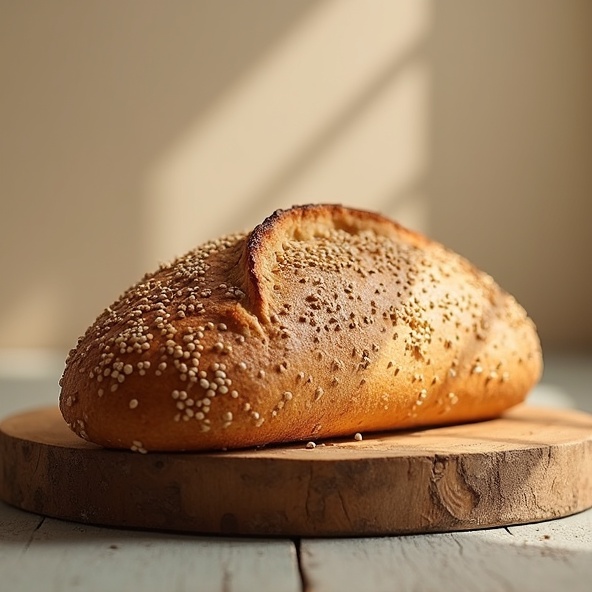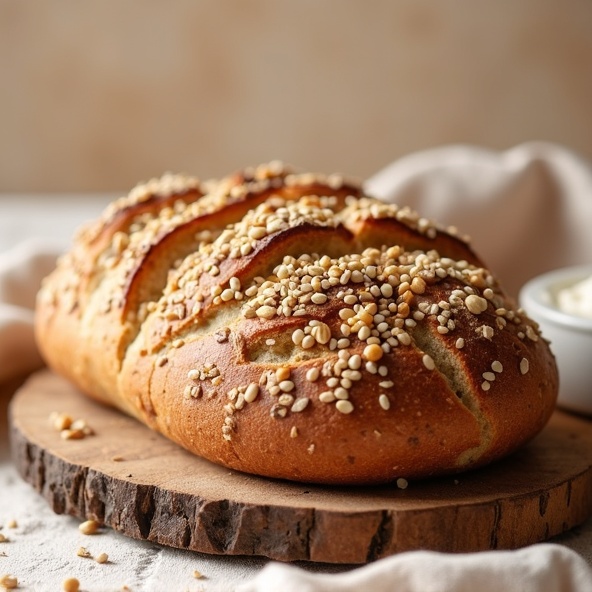
Choosing bread is about more than colour. Consider what you are preparing, how you will cut it and when you will eat it. The same loaf offers a different experience toasted, freshly sliced or made into a sandwich.
Bread for breakfast
Classic breads with a soft crumb accompany cheese, olives and eggs. To keep the crust crisp, slice just before sitting down. Simit can be divided into small pieces for a shared breakfast. Check bread often when warming it: too much heat dries the crumb.
Sandwich slices and texture
Very thin bread can soften easily under moist fillings or sauces. Medium-thick slices and a moderate amount of sauce are easier to handle. Read the ingredients when choosing whole-wheat or multigrain bread: a dark colour does not reveal the flour type or whole-grain percentage.
Soup and dinner
A crisp baguette adds texture alongside soup. Stronger-flavoured rye bread can accompany cheese, olives and vegetable dishes. Taste a first slice plain to learn its flavour before choosing accompaniments.
How much should you prepare?
One standard portion does not suit everyone. Consider the number of people, meals and how you will use leftover bread. Start with a small amount and plan the next meal around your usual consumption. Portioning slices is practical for daily use.
The loaf's weight and ingredient list tell you more than its name alone. If you have specific allergy requirements, check the current ingredients and do not fill gaps in the information with assumptions.