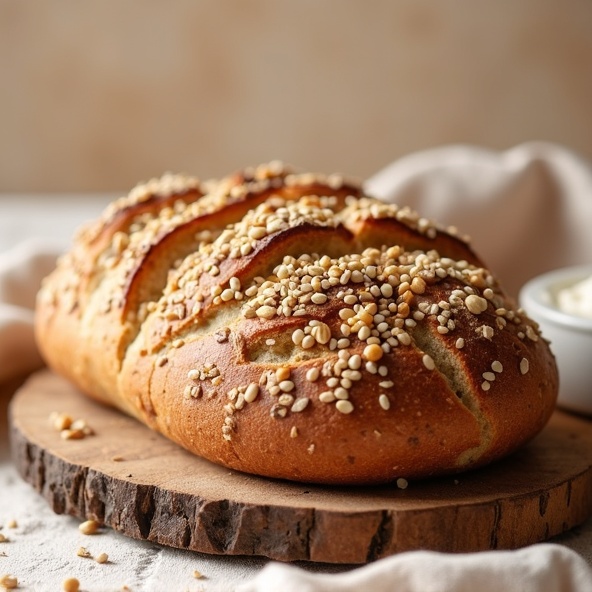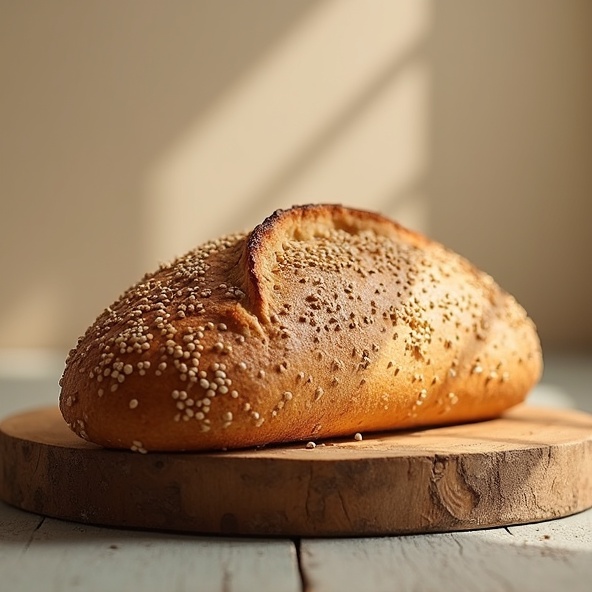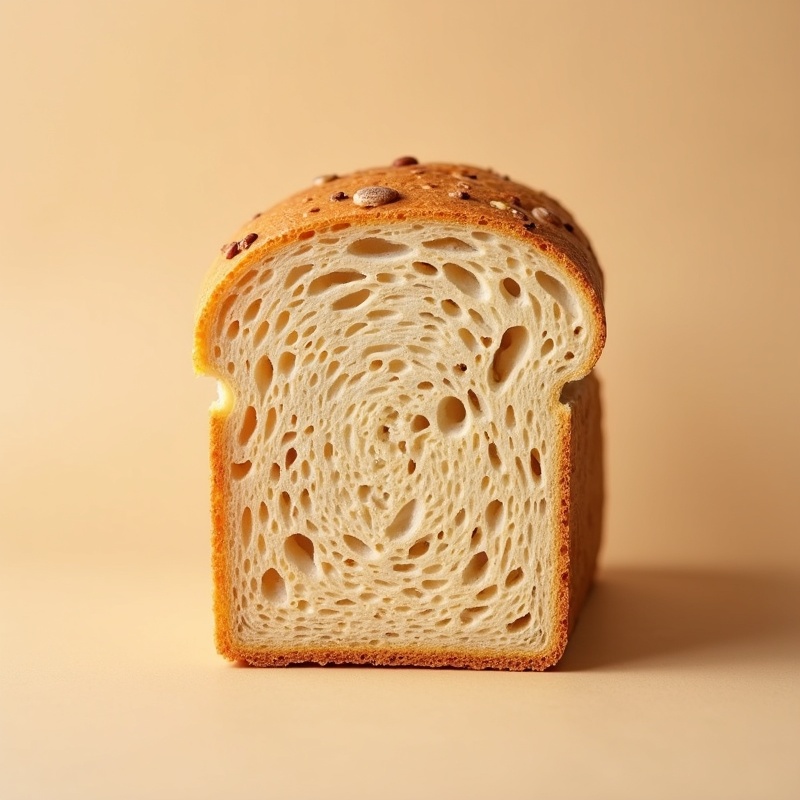
Good bread pairings involve moisture and texture as well as flavour. A very thin slice beneath juicy tomato behaves differently from crisp baguette alongside dry cheese. Match your bread to the meal and preparation time for a more practical and varied table.
Three breakfast approaches
Plain white bread is a neutral companion to eggs and fresh vegetables. Whole-wheat slices can make open sandwiches with curd cheese and parsley. Divide simit into sharing pieces with vegetables and cheese. Choose one or two options to suit the day rather than setting out large amounts of everything. Storing leftovers properly is more practical than constantly slicing fresh bread.
Keeping a lunch sandwich dry
Drain tomatoes and washed greens well. Apply a thin layer of sauce. Lightly toasting and then cooling the bread can strengthen the base; enclosing it while hot traps moisture. Carry cheese and other perishable fillings cold. Pack ingredients separately and assemble before eating where possible. Try strongly flavoured rye bread with a simple filling first.
Alongside dinner
Try small baguette slices with lentil soup, plain bread with a vegetable dish or olive bread with olive-oil-based dishes. If rice or pasta is also served, adjust bread with the whole meal in mind. These pairings are not a medical portion plan. Use bread to contribute texture and flavour, not just to fill the plate.
A sharing board
Cut evenly sized small slices and start with a modest amount. Serve tomato topping, cheese and other accompaniments in separate bowls so guests can choose. Clearly identify allergens in sesame-, walnut- or milk-containing options. Separate serving spoons matter; allergen safety is not just using different plates.
A weekly kitchen plan
Set aside today's portion when fresh bread arrives. Once cool, slice and pack extra bread. Use leftovers first at the next meal: dry bread in good condition can become an open-sandwich base, a breakfast bake or soup croutons. Plan vegetables the same way; extra breakfast tomatoes can become an evening bread topping.
Build your own pairing
Start with one bread, one main accompaniment and one seasonal vegetable. Add oil, herbs or spices in small amounts. Aim for complementary texture rather than many ingredients: a soft topping on crisp bread or fresh vegetables with a dense loaf. Note the proportions you enjoy so the same ingredients need not make the same plate every day.