Answering "Which bread is most beneficial?" with one product name misses the wider picture. Ingredients, the amount eaten and the rest of your daily diet should be considered together. Whole-grain options can add variety, but no bread replaces a balanced diet on its own.
What do carbohydrate and fibre contribute?
Carbohydrates are a source of energy. The World Health Organization recommends emphasising whole grains, vegetables, fruit and pulses as carbohydrate sources. Fibre intake should come from variety across these groups, not bread alone. To understand a product's fibre contribution, look at its actual nutrition value rather than the word "grain".
Whole-grain and multigrain are not identical
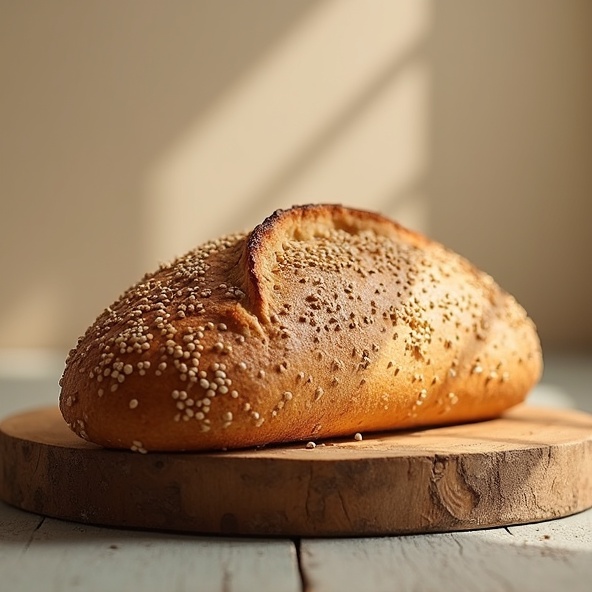
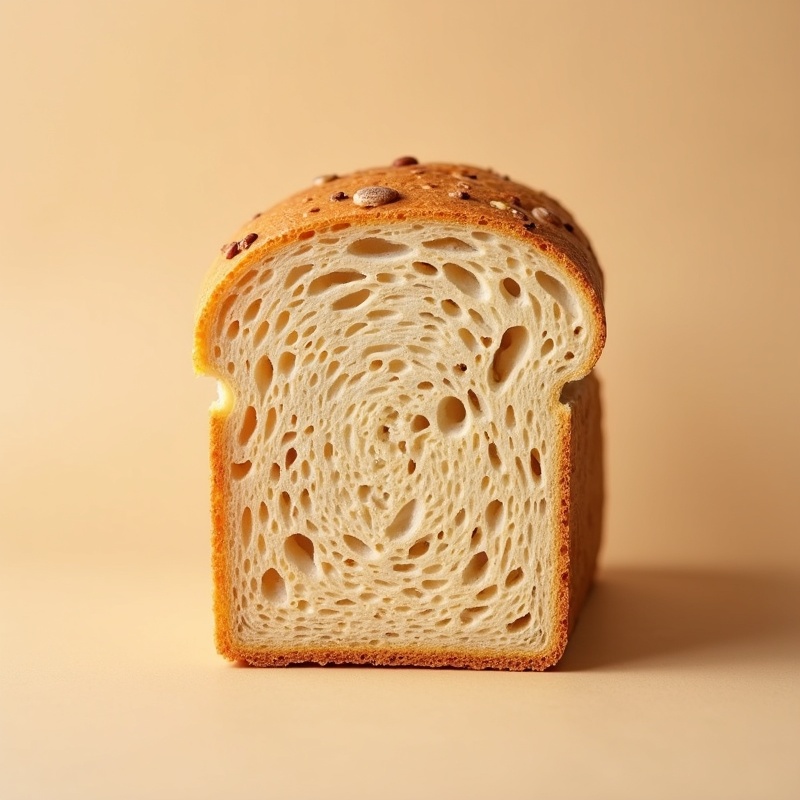
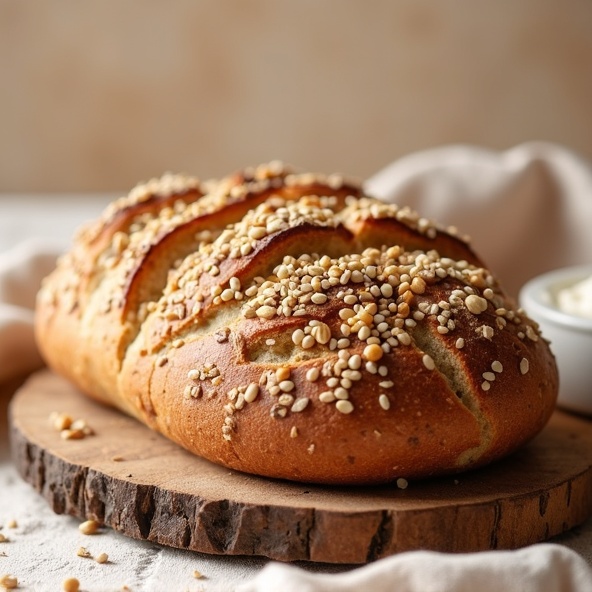
"Multigrain" may mean several grains are present; it does not establish that they are all whole grains. Seeds on the crust do not identify the flour either. Dark colour is not proof of a high whole-grain percentage. Read which flours are used and their proportions where stated. Ask the seller for this information on unpackaged bread.
Reading a label in order
Start with the full product name, then examine flour types and allergens. Compare values on the same basis: if one label gives values per 100 g and another per slice, the figures cannot be compared directly. Slices of different weights can mislead. Consider salt, fibre and energy together rather than deciding from one number.
Accompaniments also matter
A slice with vegetables and a suitable protein source makes a different meal from one topped only with jam or a sweet spread. Cheese, olives and bread can all contribute salt, so consider the whole table. WHO stresses variety, balance and moderation in healthy eating, a more useful approach than calling one food a miracle.
How much bread should you eat?
The same slice count is not right for everyone. Slice size, energy needs and other grain foods in the meal vary. A meal with rice or pasta differs from one based on vegetables and soup. For a medical condition, individual diet plan or personal target, agree portions with a doctor or dietitian.
Assessing bread information
Check the ingredients, weight and any actual nutritional values given for a bread. Do not copy another bread's values onto a product without a nutrition table. "Natural", "traditional" or "sourdough" are not automatic health guarantees. Contact us with the bread name if information is missing rather than guessing.