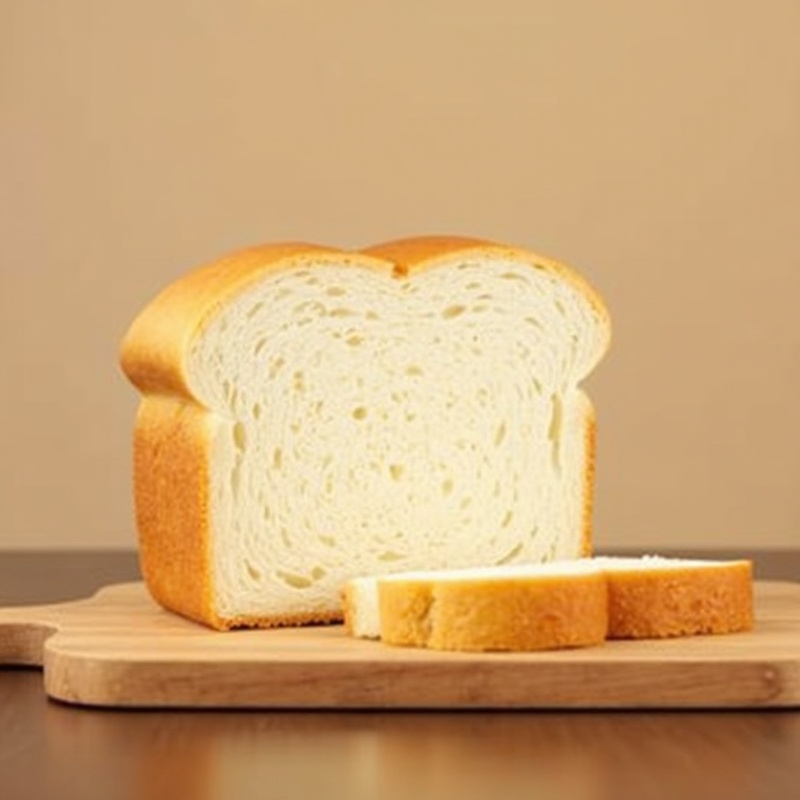
Think of the freezer as a tool for planning daily portions rather than a last-minute rescue. Bread frozen in good condition has a better texture after thawing. Freezing does not make dried-out or spoiling bread fresh again.
Portion for your usual meals
Cool the bread completely. Prepare slices for breakfast, small pieces for soup or two-slice packets for sandwiches. If slices stick together, separate them with food-safe baking paper. Pack an amount you can use in one sitting so that you do not repeatedly open a large bag.
Control air and moisture
Use clean, sound, freezer-safe packaging. Remove excess air without crushing the bread, seal it and label it with the name and packing date. A thin paper bag alone is not suitable for long-term freezer storage. Place older packets in front. Follow the product packaging for its stated shelf life; it is not appropriate to promise a fixed freshness period for all home-frozen bread.
Slices and whole loaves thaw differently
Thin plain slices can go into a toaster from frozen if the appliance instructions permit it. Thaw thicker pieces before briefly warming them to avoid a burnt exterior and cold centre. Do not treat cheese-filled or other perishable-filled bakes like plain bread: refrigeration during thawing and the manufacturer's instructions matter.
Is refreezing always forbidden?
No. USDA guidance says food thawed safely in the refrigerator can be refrozen, although moisture loss can reduce quality. This does not automatically apply to filled products left at room temperature for a long time. The simplest approach is to prepare small portions from the start and remove only what you need.
A small weekly routine
When new bread arrives, decide how you will use it. Set aside today's portion and pack the rest while it is still sound. Put new packets behind older ones and check the freezer before planning the next meal. This helps avoid buying more than necessary and finding forgotten packets later.