Warming and toasting bread are different processes. You may want heat to soften the crumb, or toasting to crisp the surface. Results depend on slice thickness, moisture and the appliance you use.
Choose the slice thickness
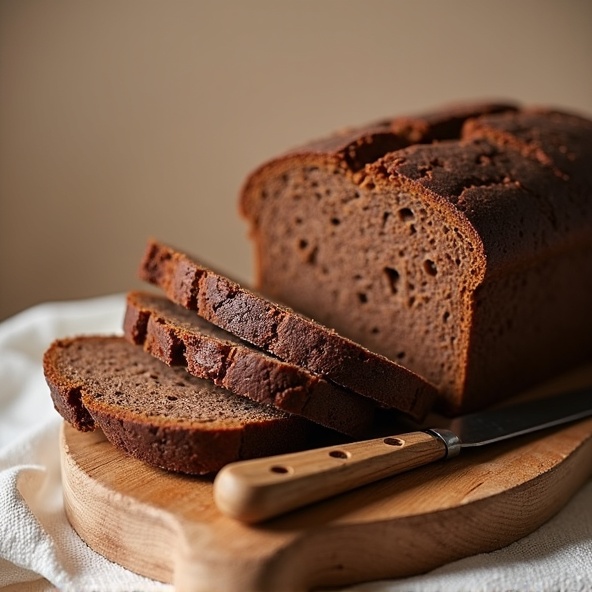
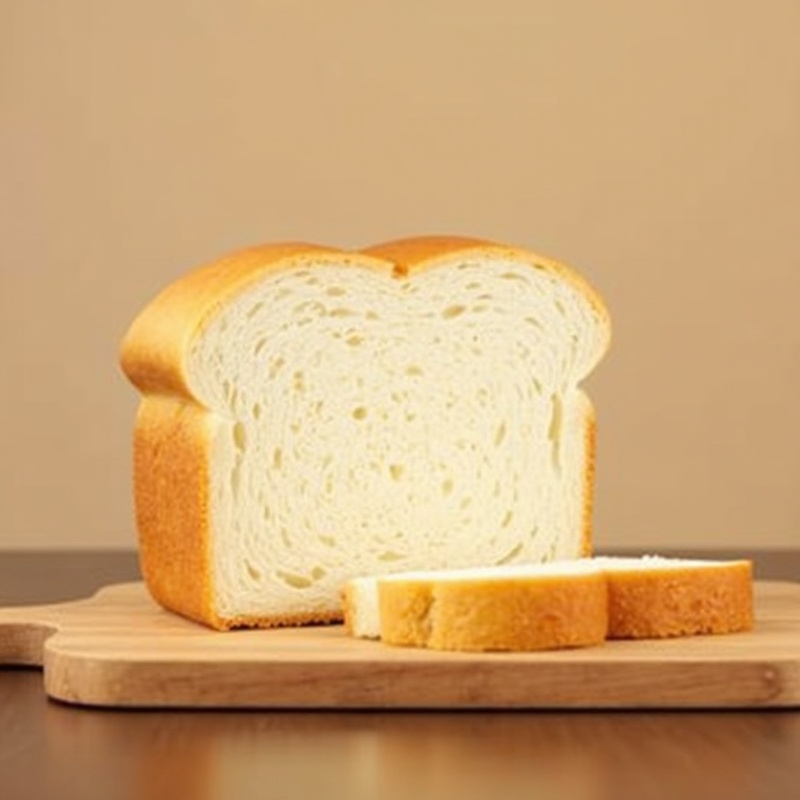
Thin slices colour quickly and dry more easily. A medium-thick slice suits an open sandwich; small, evenly sized pieces suit croutons for soup. Set aside what you need instead of repeatedly reheating an entire loaf for a few slices.
In a toaster
Make sure slices fit the appliance. Start on a low or medium setting, check the colour and toast a little longer if necessary. Do not add oil, cheese or sauces in ways that conflict with the appliance instructions.
In a pan
Heat a flat-bottomed pan over medium heat. Watch both sides as you toast. A little olive oil gives a different finish; you can also toast plain bread and add oil afterwards. High heat may burn the surface before warming the inside.
In the oven
An oven is practical for several slices at once. Arrange them without stacking and check frequently. Use recipe timings as a starting point: ovens vary in how they heat and brown food.
Separate staling from spoilage
Dry but unspoiled bread can be used in some recipes. Do not reheat mouldy bread for eating. Cutting away the visible mould is not enough: do not consume the loaf. If there is an unusual smell or suspected spoilage, discard it rather than trying to reuse it.